If you’ve ever looked at your skin during certain times of the month and thought, Okay…what is happening? Why is my face doing this? Why does it feel like my skin has its own personality? – you’re not alone. And definitely not imaging it.
“Hormonal Skin” is one of those phrases that gets thrown around constantly. Breakouts? Hormonal. Redness? Hormonal. Oiliness? Hormonal. Dryness? Hormonal. Texture? Hormonal. Basically, if your skin does anything unpredictable, it gets blamed on hormones.
But here’s the thing no one really explains: Hormones don’t act alone. They respond.
They respond to stress.
They respond to sleep.
They respond to blood sugar.
They respond to inflammation.
They respond to your nervous system.
They respond to nutrient levels.
They respond to your environment.
So when your skin flares and someone says, “it’s just hormonal,” it’s not wrong – but it’s definitely not the whole story.
Let’s talk about what’s actually going on when your skin feels hormonal, why it’s not as random as it seems, and why understanding your hormones can make you feel a whole lot less confusing.
Hormones Aren’t Misbehaving – They’re Communicating
Hormones are messengers. They carry instructions. They respond to signals. They don’t just wake up one morning and decide to cause chaos on your chin.
When your skin changes with your cycle, your stress, or your life stage, it’s not your hormones being dramatic – its your body communicating.
And once we understand what those hormones are responding to, your skin stops feeling unpredictable. You stop feeling like you’re at the mercy of your cycle. You stop blaming your hormones for everything. You start seeing patterns and you start understanding your skin in a way that feels empowering instead of frustrating.
Lets breakdown the hormones that actually influence your skin – and what they are trying to tell you.
The Hormones That Actually Affect Your Skin (And What They Do)
There are a lot of hormones in the body, but only a handful have a direct impact on your skin. And each one influences your skin is a different way.
Estrogen – The Skin Supporter
Estrogen is like your skins best friend. When its stable and at healthy levels your skin tends to look more hydrated, plump, firm, bright and resilient.
Estrogen helps your skin:
- Produce collagen
- Hold onto moisture
- Repair itself
- Stay calm
- Stay strong
But what happens when estrogen drops?
You may notice dryness, dullness, sensitivity, slower healing and more visible signs of ageing.
This is why your skin can feel a little “flat” or “tired” right before your period.
Progesterone – The Skin Wildcard
Progesterone is the hormone that rises after ovulation and stays high until your period. And it has a very specific effect on the skin.
It can:
- Increase oil production
- Increase heat in the skin
- Make pores feel tighter or more congested
- Increase inflammation
- Make the skin feel puffy or swollen
Sound familiar?
This is why the week before your period can feel like your skin is ….doing the most. Progesterone is high, and your skin is responding to that shift.
But here’s the important part: Progesterone doesn’t cause breakouts on its own. It just creates the perfect environment for them if other things are already out of balance.
Testosterone & Androgens – The Oil Regulators
These hormones get blamed for everything – especially jawline and chin breakouts. But the story is more nuanced.
Androgens increase oil production, thicken sebum, influence hair follicles and increase the likelihood of clogged pores.
But here’s the twist: Its not the amount of testosterone that matters – it’s your sensitivity to it.
Two people can have the same hormone levels and completely different skin. Sensitivity is influenced by:
- Stress
- Blood sugar
- Inflammation
- Genetics
- Nutrient levels
- Gut health
So if you get breakouts around your cycle, its not just hormones. Its hormone interacting with everything else happening in your body.
Cortisol – The Stress Hormone That Shows Up on Your Face
Cortisol is one of the biggest players in hormonal skin – and one of the most overlooked.
When cortisol is high (hello stress), it can:
- Increase inflammation
- Weaken the skin barrier
- Slow healing
- Disrupt oil production
- Increase sensitivity
- Affect sleep (which affects repair)
This is why stress breakouts are real and why your skin can flare up during a busy week.
Your skin and your nervous system are deeply connected and when one is stressed, the other shows it.
Insulin – The Silent Skin Influencer
Insulin isn’t a “skin hormone,” but it has a massive impact on your skin.
When your blood sugar spikes insulin rises.
When insulin rises, androgen activity increases.
When oil production increases, breakouts increase.
Thyroid Hormone – The Skin’s Metabolism Manager
Your thyroid regulates your metabolism – including the metabolism of your skin cells.
When thyroid hormones are low, you may notice dryness, dullness, slow healing, hair shedding, brittle nails. And when they’re high you might notice an increase in oiliness, flushing or heat in the skin.
Thyroid shifts often get mislabelled as “hormonal skin,” but they’re their own category entirely.
So Why Does Everything Get Blames on Hormones?
Because hormones are the visible part of the story.
You can feel them. You can track them. You can connect them to your cycle.
But hormones don’t act alone. They respond to the environment inside your body.
That environment is shaped by stress, sleep, nutrition, nervous system, skin barrier, gut health and blood sugars.
This is why two people with the same hormone levels can have completely different skin.
Hormones amplify what’s already happening.
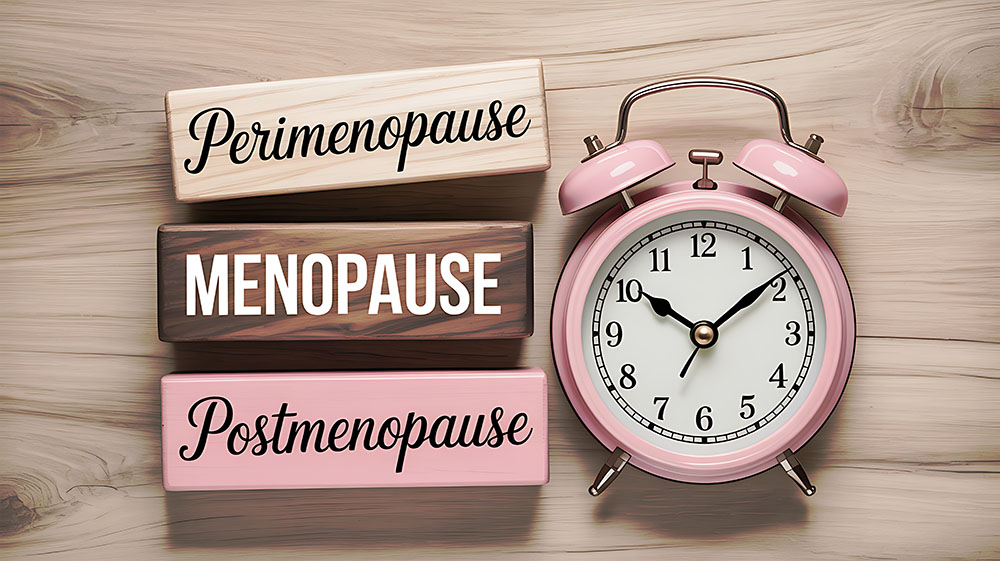
Perimenopause: The Most Misunderstood Hormonal Skin Phase
Perimenopause isn’t a single moment – it’s a transition. Ans during this time, estrogen and progesterone fluctuate wildly before declining.
You may notice:
- Dryness
- Redness
- Sensitivity
- Slower healing
- Breakouts (yes even in your 30’s, 40’s and 50’s)
- Thinning skin
But again, the severity depends on the internal environment.
So What Actually Helps Hormonal Skin?
Let’s keep this simple – no extremes, no restrictions, no “fix your hormones in 10 days” nonsense.
- Stabilise your blood sugars: this reduces androgen activity and oil production
- Support your nervous system: when cortisol drops, inflammation drops
- Eat enough whole food nutrients: your hormones and your skin need raw materials
- Strengthen skin barrier: a strong barrier buffers hormonal shifts
- Support your gut: a healthy gut metabolises hormones efficiently
- Choose skincare that respects your skins rhythms: not everything needs to be intense
The Bottom Line
“Hormnonal Skin” isn’t a diagnosis. It’s a description – and an incomplete one.
Your hormones aren’t misbehaving and your skin isn’t unpredictable. Its communicating.
And when you understand what your hormones are responding to, your skin stops feeling confusing, you stop fighting with it and you start working with it.
And when you give it that. It stabilises, settles and becomes yours again.